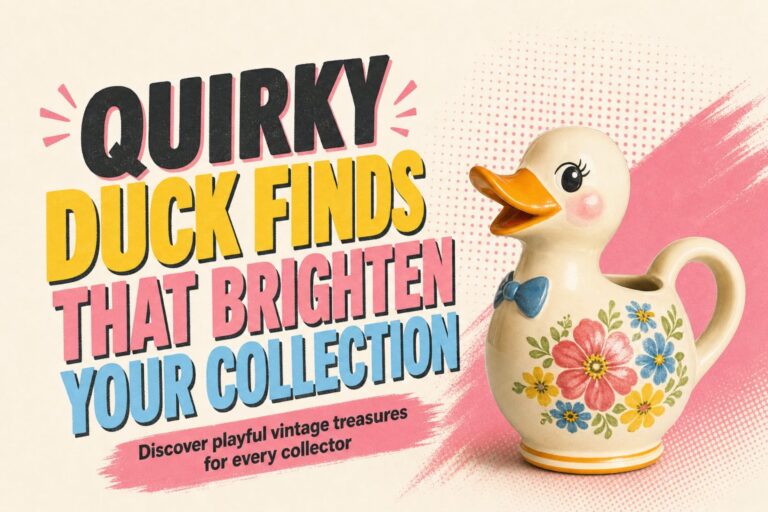
5 Must-Know Tips for Spotting Authentic Vintage Duck Collectibles
Discover essential tips to identify authentic vintage duck collectibles. Learn how to spot genuine pieces by examining materials, marks, style, and trusted sources.

If you’re a passionate collector or just starting your journey into the charming world of vintage duck collectibles, learning how to spot authentic pieces is essential. These nostalgic treasures hold stories of bygone eras and can brighten any collection with their playful charm. But with so many replicas and modern reproductions around, it’s important to know what to look for to ensure your finds are truly vintage. This guide will share five key tips to help you confidently identify genuine vintage duck collectibles and enrich your collection with quality pieces.
1. Examine the Material and Craftsmanship
Authentic vintage duck collectibles often reflect the materials and craftsmanship standards of their time. Depending on the era and type of collectible, materials like porcelain, hand-painted ceramics, pressed glass, or early plastics were commonly used.
Look for Signs of Age
Genuine vintage items usually show subtle signs of wear or aging, such as slight discoloration, crazing (fine cracks in glaze), or minor surface scratches. These natural imperfections tell a story of age and use, unlike modern pieces that look brand new.
Check the Quality of Details
Vintage duck figurines and glassware often boast intricate, hand-crafted details. Look closely at the painting—are the eyes, feathers, or beaks finely detailed? Mass-produced modern versions tend to have less precise finishes.
2. Identify Maker’s Marks and Signatures
One of the most reliable ways to verify authenticity is by checking for maker’s marks, signatures, or labels. Many vintage duck collectibles were produced by well-known manufacturers who marked their pieces discreetly.
Where to Look for Marks
- Underside of figurines or bases
- Back or bottom of glassware
- Inside lids or bases of containers
These marks can include company logos, artist initials, production dates, or country of origin stamps. Learning to recognize these identifiers will help you distinguish original pieces from replicas.
Use Reference Guides
Collectors often rely on vintage marking guides or online databases to verify marks. Joining collector communities, like those on Whatnot or Instagram, can also provide valuable insights and help you compare your finds with authenticated examples.
3. Understand the Style and Era
Vintage duck collectibles come in many styles that reflect the design trends of their production periods. Familiarizing yourself with these styles helps you date pieces and spot inconsistencies that may indicate a reproduction.
Popular Eras and Styles
- Mid-Century Modern: Sleek, stylized ducks with simple lines and bold colors.
- Art Deco: Geometric shapes, metallic accents, and elegant poses.
- 1950s-70s Kitsch: Cute, whimsical ducks often in bright pastel glazes or plastics.
Comparing your collectible’s style with known era characteristics can reveal if it fits the expected period or if it’s a newer creation made to look old.
Research Popular Vintage Duck Collectible Types
Common vintage duck collectibles include figurines, salt and pepper shakers, glass paperweights, and kitchenware. Knowing which types were popular in certain decades adds another layer of confidence when authenticating your finds.
4. Pay Attention to Weight and Feel
The weight and texture of a vintage duck collectible can be surprisingly telling. Older materials often have a distinct heft or tactile feel that differs from modern reproductions.
Heft of Materials
For example, vintage glass ducks tend to feel heavier and thicker than newer glass or plastic versions. Porcelain figurines may have a smooth but solid feel, with a slight coolness to the touch.
Surface Texture
Run your fingers over the collectible—hand-painted ceramics might have slight brushstroke textures or uneven paint layers, while mass-produced items usually have a uniform, glossy finish.
5. Buy from Trusted Sources and Ask Questions
When hunting for vintage duck collectibles, purchasing from reputable sellers or trusted online communities reduces the risk of buying fakes. Sellers who specialize in vintage items often provide detailed descriptions, provenance, and clear photos.
Ask About Provenance and Condition
Don’t hesitate to ask sellers about the history of the item, how it was acquired, and any restoration work done. Understanding provenance adds value and authenticity to your collectible.
Use Whatnot for Trusted Vintage Finds
Platforms like Whatnot, where Lucky Ducks Resale hosts live shopping events, offer a fantastic way to engage with knowledgeable sellers and fellow collectors. You can ask questions in real time and see close-up views of items, making it easier to spot genuine vintage duck collectibles.
Bonus Tips: Caring for Your Vintage Duck Collectibles
Once you’ve found authentic treasures, proper care ensures they stay beautiful for years. Here are some quick tips:
- Dust regularly with a soft brush or cloth to avoid buildup.
- Avoid harsh chemicals—use mild soap and water for cleaning glass or ceramics.
- Store collectibles away from direct sunlight to prevent fading.
- Handle with care to prevent chips or cracks.
Following these simple steps preserves the charm and value of your vintage duck collectibles.
Conclusion
Collecting vintage duck collectibles is a delightful hobby that blends nostalgia, artistry, and playful charm. By paying attention to material, maker’s marks, style, weight, and buying from trusted sources, you’ll develop a keen eye for authentic pieces that add special stories to your collection. Whether you’re a seasoned collector or just beginning, these five must-know tips will help you find and cherish genuine vintage duck treasures.
Ready to discover your next vintage duck collectible? Join our friendly community and explore our curated selections on Whatnot at @luckyducksresale. For questions or personalized advice, feel free to reach out anytime at hello@luckyducksresale.com. Happy hunting, fellow duck lovers!